
More Than $220 Million Going Toward Water Infrastructure in Kansas and Missouri in 2022
December 8, 2021 | Catherine Hoffman | 4 min read
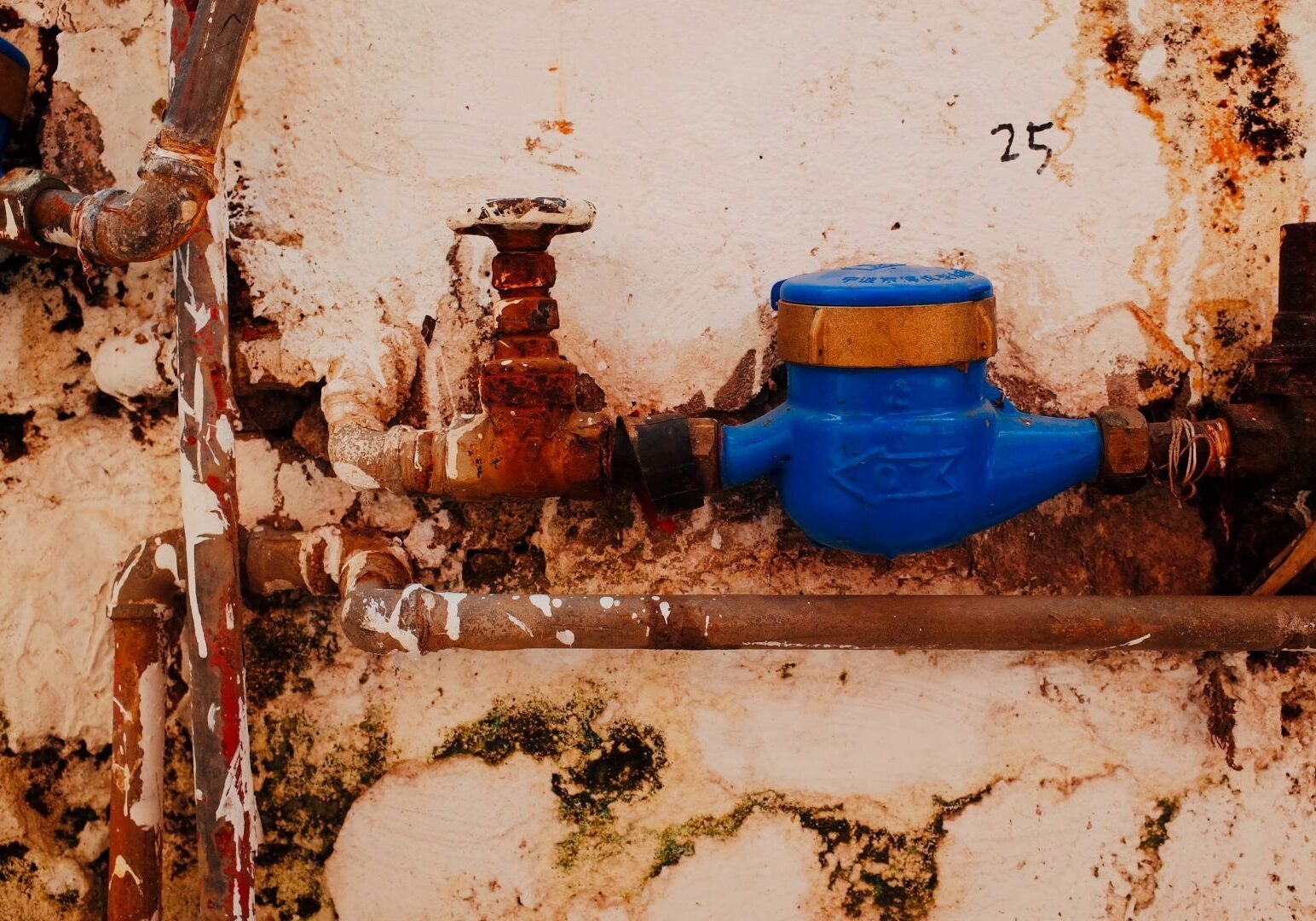
The U.S. Environmental Protection Agency (EPA) has allocated more than $220 million for 2022 in Kansas and Missouri to upgrade water infrastructure and begin righting the wrongs of environmental injustice.
The money comes from the recently approved $1 trillion Bipartisan Infrastructure Law, which President Joe Biden is in Kansas City today to promote.
“It’s the single largest investment in water and wastewater infrastructure in the history of the agency,” said Jeffrey Robichaud, water director with the EPA’s Region 7, which covers Iowa, Kansas, Missouri, Nebraska and nine tribal nations.
The state of Missouri will receive about $147.2 million, and Kansas will receive more than $79.4 million next year. According to Robichaud, the EPA will be proactive in reaching out to communities to make sure they’re aware of the available money and how to access it.
“There’s a real point of emphasis to make sure that we’re working with states to see that this funding makes its way to disadvantaged communities, places that have had a hard time accessing funds in the past – underserved communities,” he said.
The EPA is defining “underserved” as an array of communities across the heartland. In addition to urban communities of color that have been left out of infrastructure improvements or funding access, it also includes rural towns that are far from the infrastructure benefits of cities.
“In Region 7, half of our communities with a water or sewer utility have less than 425 people – and many of these populations are shrinking,” said Acting EPA Region 7 Administrator Edward H. Chu. “This historic investment will allow us to continue supporting the immediate needs of the aging water and wastewater systems in these and other underserved areas.”
Once these funds are accessible in 2022, they will also go toward projects aimed at addressing concerns about lead levels in deteriorating water infrastructure.
A recent study, authored by doctors at Boston Children’s Hospital and Quest Diagnostics, found that 82% of children in Missouri and 65% of children in Kansas had detectable levels of lead in their blood, both higher than the national figure of 50%. Furthermore, the study found that 4.5% of children in Missouri and 2.6% of children in Kansas had elevated lead levels in their blood. Both states surpass the national average of 1.9%.
Experts say that there is no safe amount of lead for a child to consume. According to the Centers for Disease Control and Prevention, lead exposure can lead to damage to the brain and nervous system and slowed growth and development, which can cause a lower IQ and underperformance in school.
Nationwide, the EPA is allocating $11.7 billion to the Drinking Water State Revolving Fund and $15 billion to Lead Service Line Replacement as part of the infrastructure push.
Robichaud noted that it can be difficult to see “that many zeroes” and know how it will affect the average citizen's daily life. What this means for people is that families, many of whom are low income and people of color, will finally have safe drinking water.
Additionally, these changes will hopefully keep utility bills affordable. Some of the funding is expected to be used for grants or loan forgiveness as municipalities seek to improve infrastructure and lose less water to leakage in the system.
“We're hoping that almost half of this (money) will really go towards infrastructure improvements while at the same time keeping water and wastewater bills really affordable for our folks in those disadvantaged communities,” Robichaud said.
Excitement is also stirring over the amount of jobs that all of this construction will create over the next five years that the Bipartisan Infrastructure Law unfolds. Robichaud expects to see a similar amount of funding being doled out each year.
“It's a real win-win for our communities around the Midwest,” he said.
Catherine Hoffman covers community affairs and culture for Kansas City PBS in cooperation with Report for America. The work of our Report for America corps members is made possible, in part, through the generous support of the Ewing Marion Kauffman Foundation.

Reading these stories is free, but telling them is not. Start your monthly gift now to support Flatland’s community-focused reporting.
Related Stories
Nick’s Picks | Costco, Homicides, Rain and More …
Is Missouri's congressional map saga over? It seems so, but who knows if there will be another twist or turn. That story and more ...

Nick’s Picks | Obama Visits KC, Debates and Fall’s Arrival
Obama in KC With Election Day just six weeks away, some of the nation’s top political names are now rolling through Kansas City. Last week, Vice President JD Vance was in town. This week, it’s Barack Obama. The former president takes the stage Saturday at the Overland Park Convention Center for a leadership event hosted…
Preparations Aside, KC World Cup was Quiet for Hospitals, Police
Officials said months of planning will serve them well in the year's to come through improved collaboration.