
curiousKC | Why is the Western Auto Building Shaped Like That?
May 10, 2021 | Vicky Diaz-Camacho | 3 min read
The Western Auto Building stands tall on 2107 Grand Blvd.
It’s a staple in the Kansas City, Missouri, skyline. The pie-shaped building is easy to spot from the highway for those driving into the city, which is perhaps why curiousKC follower Marlene Vaught asked: “Why is the Western Auto building shaped like a quarter of a cylinder?”
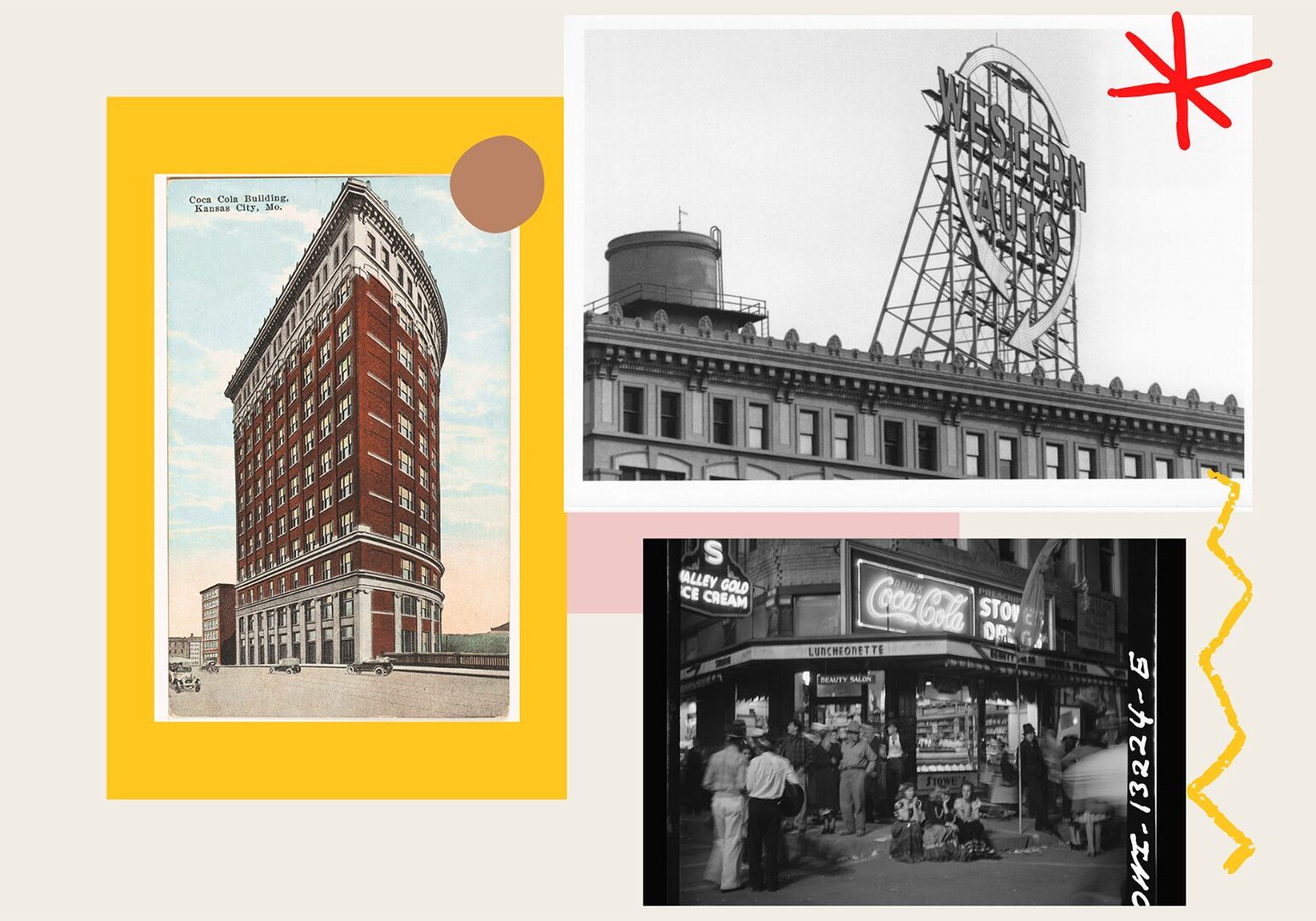
The answer takes us back to the days before it was called the Western Auto Building. Kansas City Public Library records reveal that it was initially known as the Candler Building or – the best revelation of this historical investigation – the Coca-Cola Building.
In the early 1900s, Coca-Cola business executives Asa G. and Charles H. Candler, president and vice president, were struck by Kansas City’s growth and promise for their booming business. So they selected the parcel of land on Grand as one of the regional headquarters locations, more specifically as a plant and distribution center.

“We found it to be equally advantageously located for passenger traffic,” Candler said, according to the library’s Missouri Valley Special Collections record. “Capital and labor were apparently living together in more harmonious relations than in any other city of equal importance.”
The company purchased the property in 1913, which was close to the new Union Station – a prime location for commerce.

Its design is another key piece to the puzzle. This unique building was created by the company’s chief of construction Arthur Tufts. His designs were all one-of-a-kind, in an effort to set all regional headquarters apart from neighboring buildings. Tufts was responsible for the centers in Atlanta, Baltimore, Chicago, Dallas, New York City and Winnipeg.

A blueprint of the Coca-Cola Building. (Kansas City Public Library | Missouri Valley Special Collections) 
A promotional drawing by Ennis-Edwards Realty Company pinpointed the benefit of its location in proximity to other Kansas City landmarks. (Kansas City Public Library | Missouri Valley Special Collections) 
A street view of the Coca-Cola Building in the 1920s. (Kansas City Public Library | Missouri Valley Special Collections) 
A closer view of the pie-shaped building. (Kansas City Public Library | Missouri Valley Special Collections) 
Western Auto sign in 1991. (Kansas City Public Library | Missouri Valley Special Collections)
In Kansas City, Tufts decided to make the building pie-shaped following the shape of the land. The building design was called “commercial-style,” made popular in the early 20th century.
The price tag for this Kansas City landmark was $425,000 when it was completed in 1914. It was topped with the classic Coca-Cola sign, which stayed there until 1928. During this time, the Candlers sold the building and later bought the building back when it went into foreclosure in 1929.
The building was renamed the Candler Building in 1932, which they owned for another 15 years until they gifted it to Emory University. In 1950, New York investor Jerome Riker purchased and then sold the building to Western Auto Supply Co.
And that’s how one of Kansas City’s most notable landmarks, which has since been converted for residential use, came to be.
Reading these stories is free, but telling them is not. Start your monthly gift now to support Flatland’s community-focused reporting.
Related Stories
curiousKC | How Refugee Resettlement Works for Those With Careers
How do refugees who had existing lives and careers rebuild in Kansas City? The answer in this curiousKC story.
curiousKC | A Resource Guide for Youth with Developmental Disabilities
Here's a guide to transition supports and programs for youth with disabilities in the Kansas City area confronting the "high school cliff."
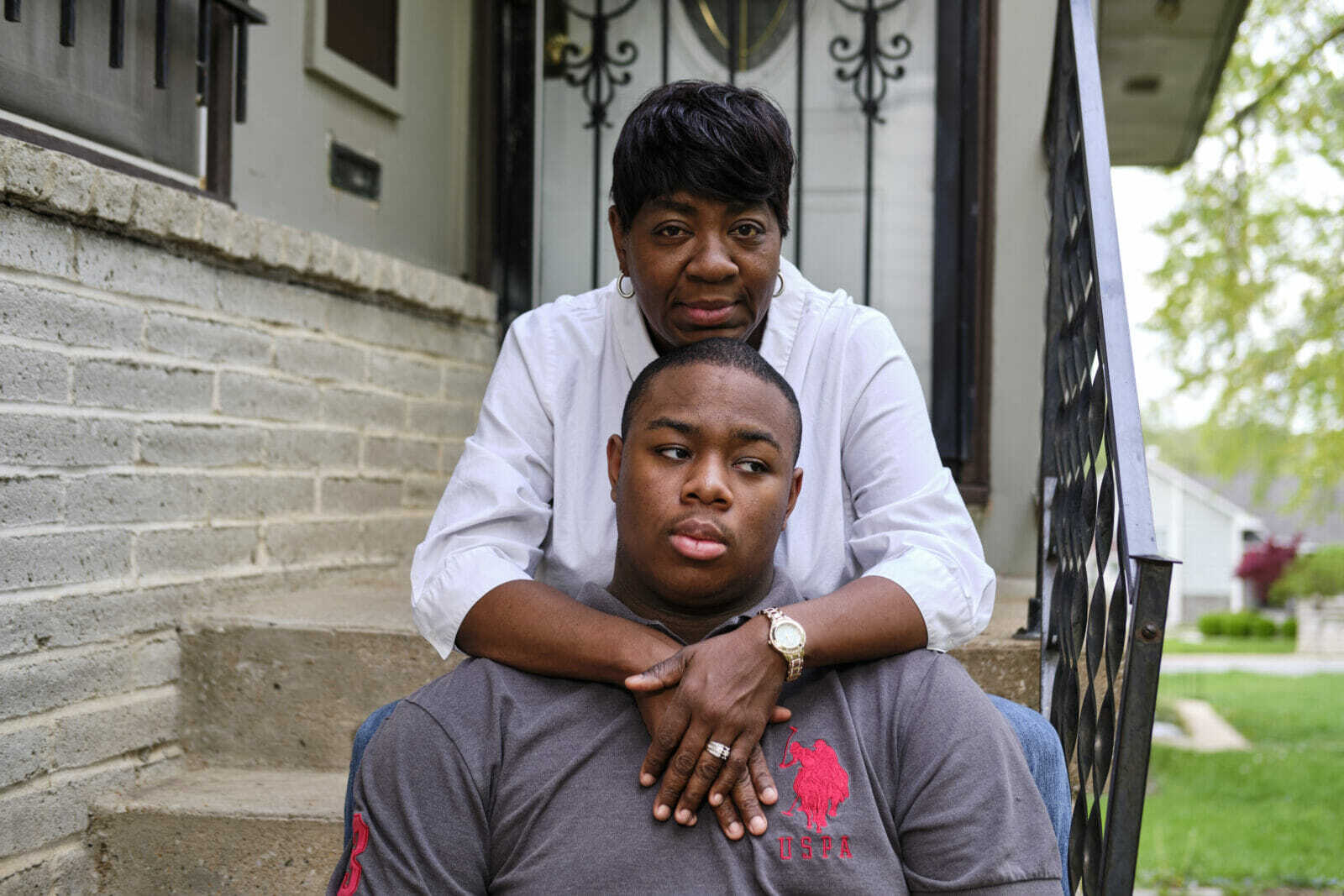
Confronting the ‘High School Cliff’: What Young Adults with Disabilities Need to Succeed
Four years ago, a Kansas City mom created a program for young adults with disabilities like her son. Today, that program has become a resource for people facing the "high school cliff."