
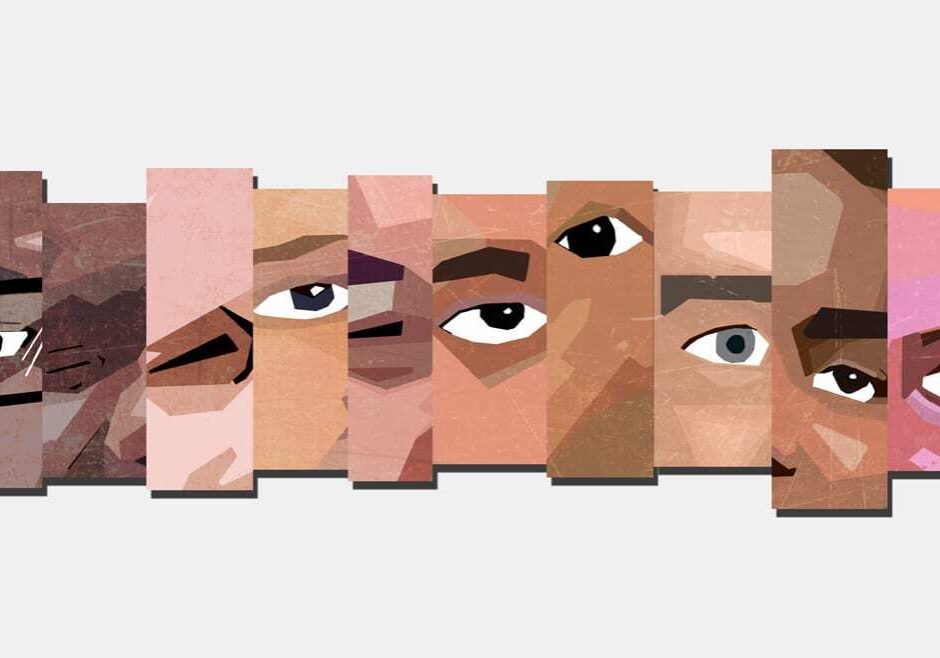
Just this week, the New York Times detailed a study finding that police are more likely to rough up blacks than whites, meaning tactics like cuffs, pepper spray, and forcing the suspect against a wall. However, it also found no racial bias in lethal force, the deadly shootings we’ve come to rally around.
The graphic below doesn’t speak to the heart of current tensions — that blacks are disproportionately victims of unprovoked police killings — but it is an overview of where we stand today. And where we stand is here: The U.S. lacks comprehensive data on officer-to-citizen interactions.
We found that it’s the media, not government agencies, keeping the closest tab on use of police force. The Washington Post’s comprehensive Fatal Force database doesn’t, however, list officer deaths. Another newspaper calculated the percent increase from this time last year following the Dallas, Texas shootings.
The harrowing part? Deaths on both sides continue to rise.
Reading these stories is free, but telling them is not. Start your monthly gift now to support Flatland’s community-focused reporting.

Related Stories
Kansas City Cooks as Site for National Anti-ICE Dinner Series
Celebrated chefs from throughout the metro collaborated for three nights on dinners that raised money for a local immigrant-rights nonprofit.
Nick’s Picks | Top Cop, Mission Mall, Lucas’ Travels and More …
Nick Haines also has the lowdown on information for the upcoming election, the arrival of fall and Kansas City's Day of the Dead celebration.

Nick’s Picks | I-70, Tax Break, School Petition, and More …
An Interstate 70 closure, a tax rebate for Jackson County property owners, a school closure petition, and more ...